

At Cann Bridge School, we are committed to providing a safe, nurturing and well‑supported environment where every learner can access education confidently and securely. Our health provision is built around strong systems, well‑trained staff and clear procedures that ensure learners’ medical, physical and wellbeing needs are met throughout the school day.
We take a coordinated, whole‑school approach to health, combining first aid, medical support, allergy management and emergency procedures into one coherent system. This ensures that:
- Learners receive timely and appropriate care
- Staff are confident and well‑trained
- Parents and carers are kept informed
- Risks are anticipated and managed effectively
Our Health & Care Assistant plays a central role in day‑to‑day provision, supported by trained first aiders, class teams, senior leaders and external health professionals.
First Aid and Emergency Response
Cann Bridge School maintains a high standard of first aid readiness across the site. This includes:
- A team of trained first aiders available throughout the school day
- Clearly located first aid kits in classrooms, specialist areas and travel packs
- Two defibrillators positioned for rapid access
- Robust procedures for responding to injuries, illness and medical emergencies
All incidents are recorded promptly, with parents/carers informed on the same day. Where required, incidents are reported to the Local Authority or the Health & Safety Executive (HSE) in line with statutory guidance.
Supporting Learners With Medical Conditions
Many of our learners require ongoing medical support. To ensure their needs are met safely and consistently, we:
- Develop Individual Healthcare Plans (IHCPs) in partnership with families and health professionals
- Ensure staff receive appropriate training before supporting a learner’s medical needs, including annual training in medication administration, epilepsy, asthma and allergy awareness
- Store and administer medication safely, following strict protocols
- Maintain accurate records of all medication received, administered or returned
- Ensure medical information is accessible to relevant staff at all times
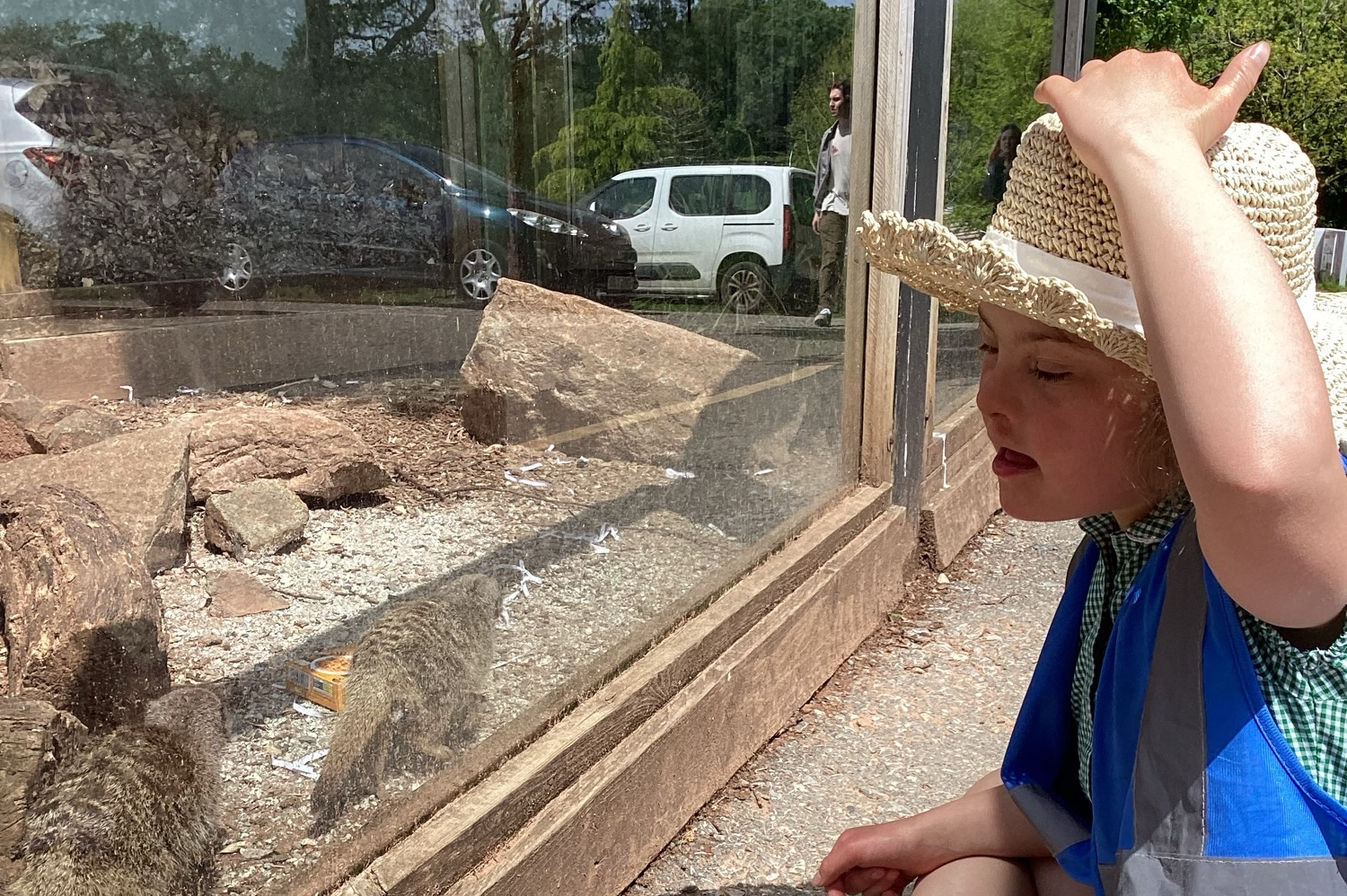
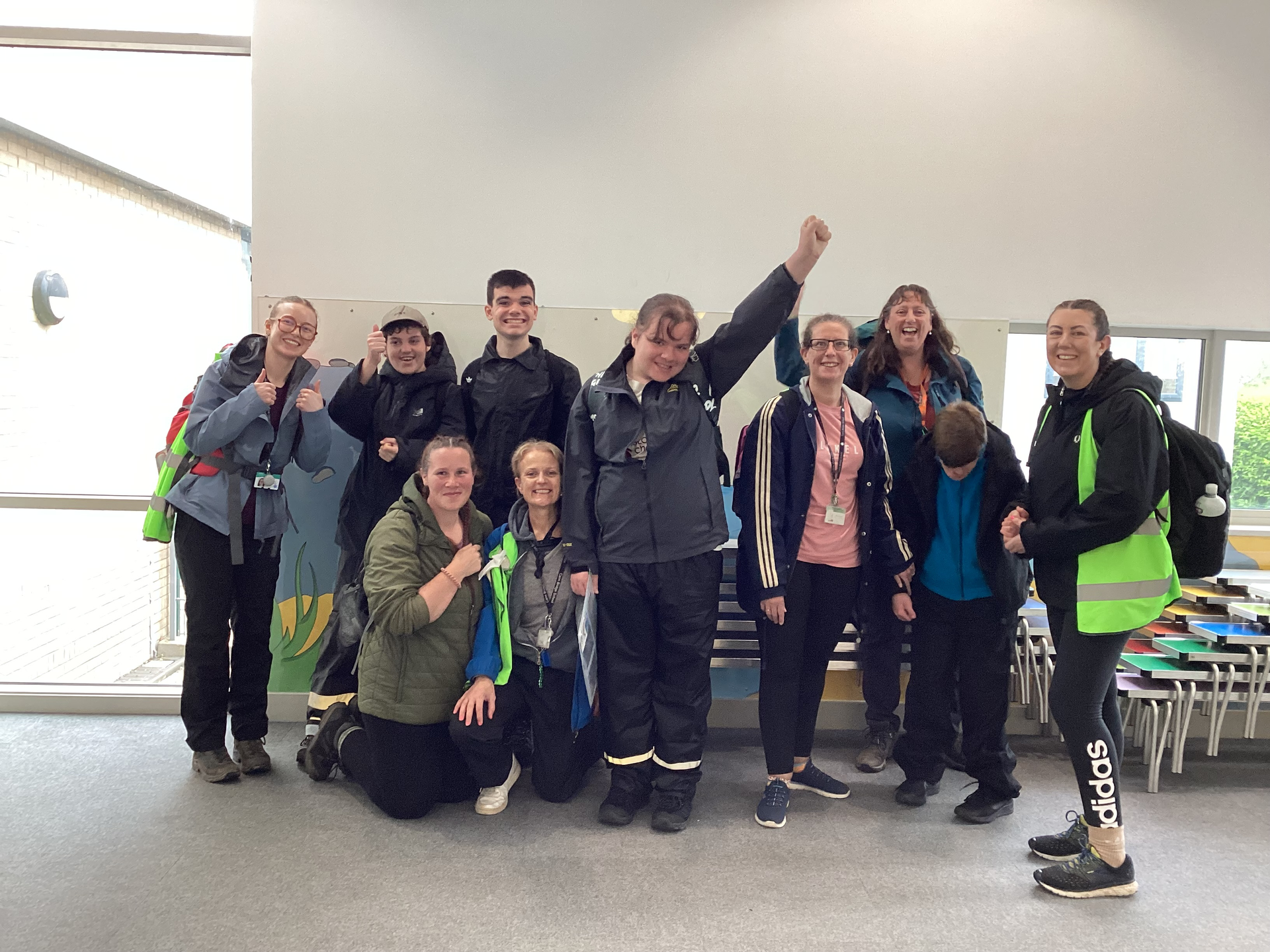
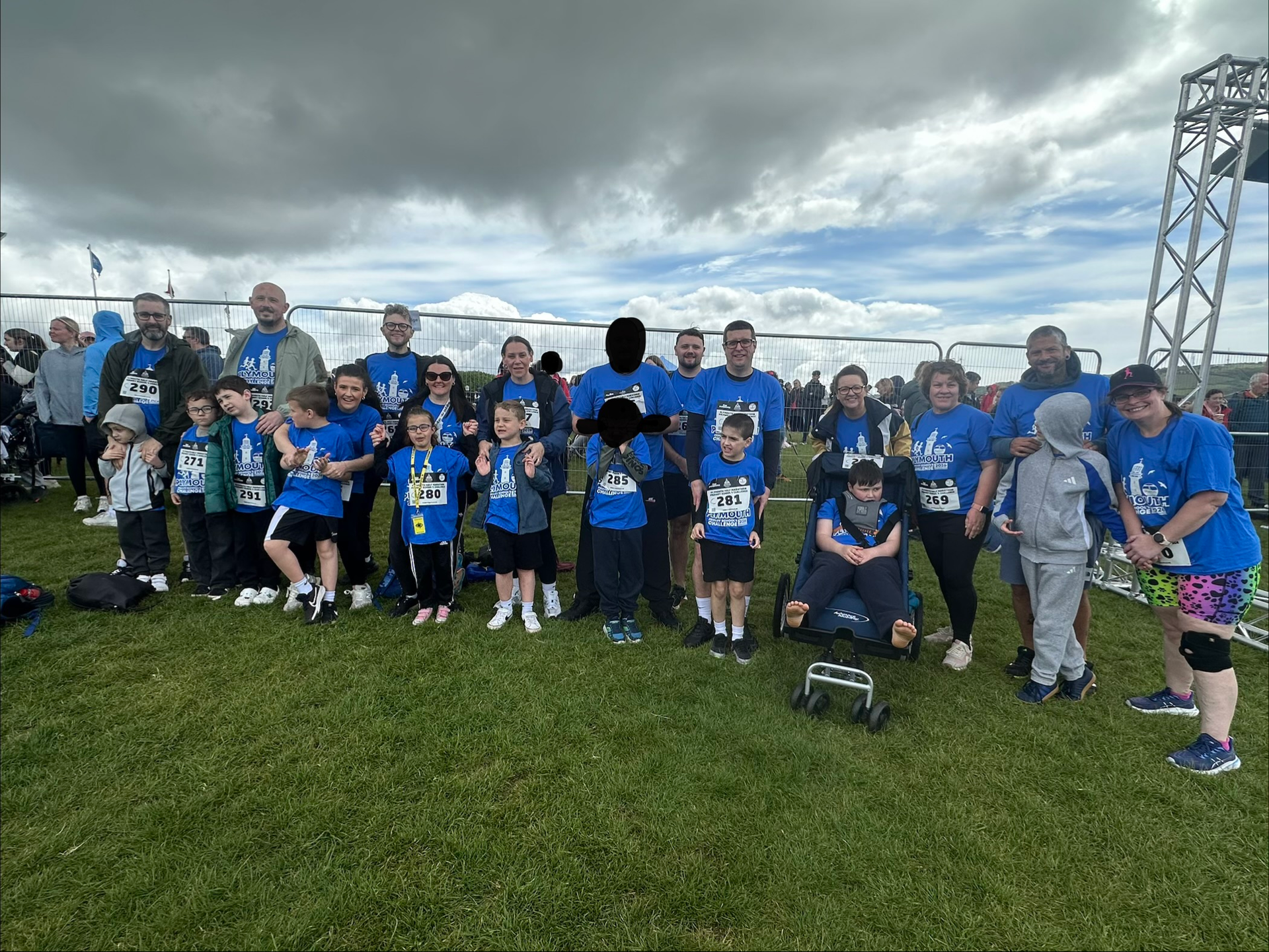
- Support learners to participate fully in school life, including trips and off‑site activities
Medication is stored securely in the medical room, with controlled drugs kept in a double locked cabinet. Emergency medication such as inhalers, insulin or seizure medication is always accessible to trained staff.
The Children’s School Nursing Team (Livewell) and Community Nursing Team provides specialist training identified within individual care plans—such as gastrostomy feeding, oxygen and suction, and diabetic care including insulin administration—and ensures staff are signed off as competent. You can learn more and contact them here: www.livewellsouthwest.co.uk/childrens-services/schools.
We work closely with outside agencies to ensure each learner receives the best possible care. It is extremely helpful if parents request that clinic letters are copied to the school so we can remain fully up to date.
We will always seek parental consent before making referrals to other professionals. Several clinics are also held on site throughout the year.
Allergy Awareness and Management
We are committed to reducing the risk of allergic reactions and ensuring that pupils with allergies feel safe, included and supported. Our approach includes:
- Maintaining an up‑to‑date allergy register and action plans for all affected pupils
- Training all staff annually to recognise and respond to allergic reactions and anaphylaxis
- Ensuring adrenaline auto‑injectors (AAIs) are accessible, in date and checked monthly
- Working closely with families to manage dietary needs and medication
- Promoting an allergen‑aware culture across the school community
While we cannot guarantee an allergen‑free environment, we take practical steps to minimise risk, including guidance on packed lunches, food‑based activities and hygiene routines.
Health Provision on Trips and Off‑Site Activities
Learners are fully supported when learning beyond the classroom. For every trip we ensure:
- A trained first aider is present
- Medication is signed out, transported safely and administered by trained staff
- Risk assessments consider individual medical needs
- Emergency procedures are clear and understood by all staff involved
This ensures that learners with medical conditions can participate safely and confidently in all educational visits.
Training, Monitoring and Continuous Improvement
Health provision is reviewed regularly to ensure it remains effective and compliant with statutory requirements. This includes:
- Annual policy reviews
- Ongoing staff training in first aid, medication administration, allergy response and emergency procedures
- Regular audits of medical equipment, medication and first aid kits
- Close liaison with health professionals, including the school nursing service
Our aim is to maintain a proactive, well‑organised and responsive health system that supports every learner’s wellbeing.
Clinics and visiting health professionals:
| Dr Lucy Ambler Speciality doctor in paediatrics Generally a clinic every 4 weeks |
Rhys Michael |
Dominic Burdon Orthoptic clinics |
| Kerry Lynch Physiotherapy |
Debbie Hepple Speech & Language Team |
HCRG Care Group Vaccination clinics |


